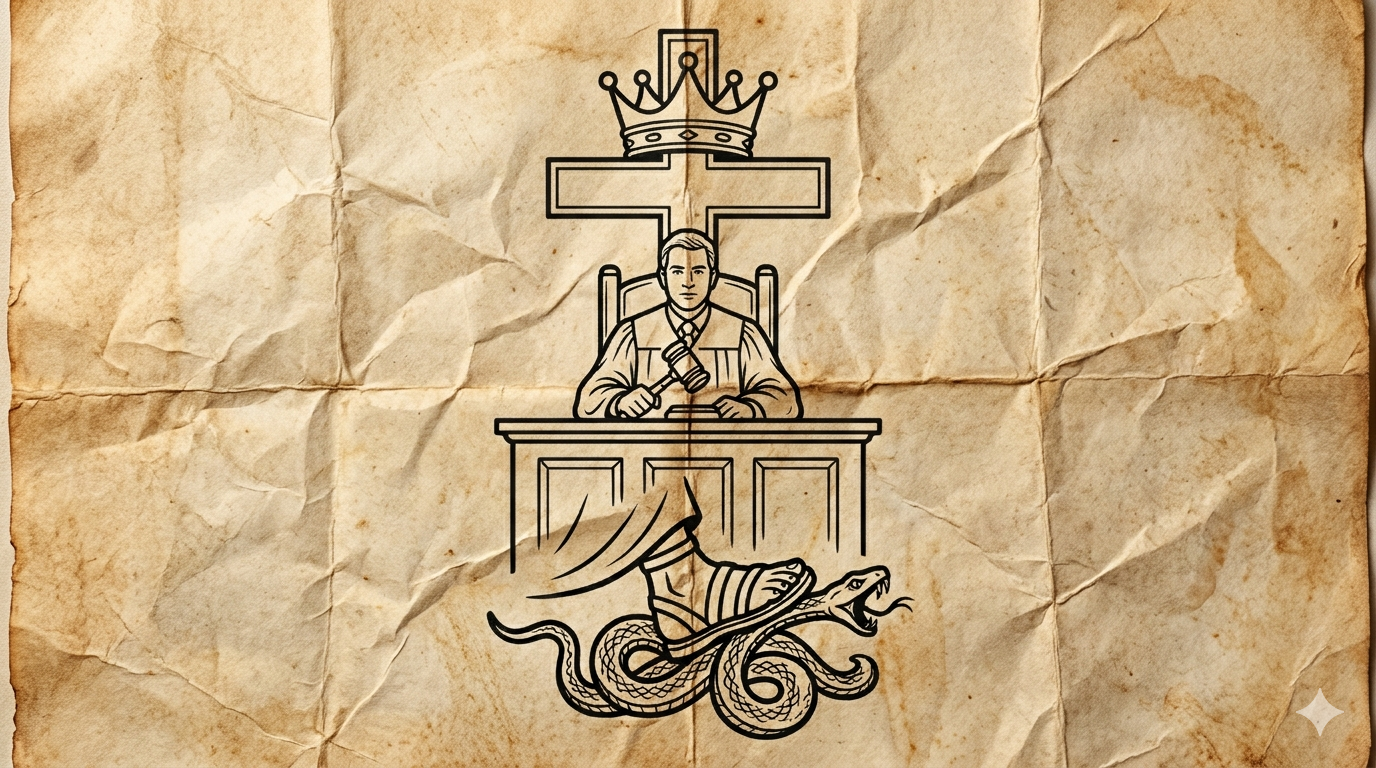
Crucifixion had been designed to be a deterrent against rebellion. Its cruelty lay not only in the slow agonizing death that could last for days, but dying on a cross also ruined the memory of a person’s life accomplishments. The legacy of the crucified person was a broken lifeless body and a shattered reputation, yet the purpose for which crucifixion had been designed was a failure. By the time Jesus hung on a crucifix outside of Jerusalem, this extraordinarily severe punishment had become almost routine in the Roman Empire. It was not a deterrent to crime and rebellion; it was simply cruel and revealed the degradation of the lawmakers more than the corruption of the criminals. Then Jesus stepped into this system of brutality, and everything reversed because when God interacts with humans, His purity shines through the lies that are used to justify humanity’s viciousness to reveal the true path to transformed lives. Everything changed when the Son of God hung from a tree, but many Christians simply do not understand what happened on that skull-shaped hill outside the gates of Jerusalem. They claim the cross for their salvation, but they do not know the reality behind the worship songs they sing and the words that they shout. Why was incarnated Divinity gasping out with His last living breath, “It is finished.” What was finished?
The Bible reveals four major accomplishments of the cross. Theologians call these accomplishments “theories of atonement,” and they reveal profound truths about our condition and God’s relationship to us. Unfortunately, misguided Christians sometimes fight about which one is the truth of the cross when in reality all four models of atonement are true and interdependent. A great deal was accomplished by Jesus’ death and resurrection. We will spend eternity delving into all the nuances of what happened at the cross, but everyone can understand the basics now. In other words, like all truths of the Bible, atonement at the cross is simple enough for a child to understand and complex enough that a lifetime of study will never reach to the depths of comprehension.
The four major theories of atonement are: the Representative Theory/Participationist Model, Penal Substitution/Judicial Model, Christus Victor/Ransom model, and the Moral Influence model. In reality, not only are all of these theories of atonement correct, but there is also an order in which they play out in the life of the believer. This relationship was first pointed out most recently in 2019 in a book by Joshua McNall called The Mosaic of the Atonement. However, Christians throughout the centuries have understood these four interrelated ideas; it is the ones who want to argue over which is better, like the Corinthians arguing over Paul or Apollos, that have muddied the waters of understanding the cross.
Model 1: The Representative Theory
It is important to begin an understanding of atonement with the representative theory, also called the participationist model. The representative theory explains why Jesus needed to first become a man. Jesus’ incarnation was not simply a practical necessity that allowed God to die. There was a deeper purpose in divinity becoming humanity. The first Adam had dominion over this world. In rejecting God for Satan, Adam handed the rulership of this world over to the devil. In Job 1:7 when Satan informs God that he has come from walking up and down on the earth, he is claiming ownership of our planet and us. Job’s misfortunes are the result of Satan trying to wrest dominion of the earth from God in the courts of heaven. In speaking of the cross, Jesus called Satan the ruler, or prince, of this world in John 12:31. He said that a judgment was coming, and Satan was about to be cast out of his position as the ruler of this world. The representative theory explains why humanity’s ruler changed from Satan to Jesus at the cross.
Paul describes how Jesus took on humanity and earned the right to be the new Adam, the head of humanity, in Romans 5 and 1 Corinthians 15. Jesus became the second progenitor of the human race by being born a man, living a sinless life, and then dying for all of humanity on the cross. In 1 Corinthians 12, Paul explains that Jesus is the head of the church while the members are the body of Christ. This theory of atonement points out that Jesus has taken all that has happened to the human race and reversed it. He has replaced our sinful lives with His sinless humanity. In living the life of a human that we should have lived, Jesus earned the right to take on the death that we have all earned. Jesus could represent all of humanity on the cross because He was both our Creator and human like us. The old representative, Adam, gave away his dominion and provided his descendants with a legacy of death. The new Adam, Jesus, exchanged that death sentence for life everlasting by fulfilling the destiny of every human to die and then overcoming death. He was sinless, so the result of His death was life for all who would claim Him as their Representative. In the representative model, the cross restarts humanity; Satan is no longer in control, and death is not inevitable because of the gift of eternal life that Jesus gave us at the cross.
Model 2: Penal Substitution
It was necessary to begin our examination of atonement with the representative theory because when people start with the penal substitution model, they tend to make the Father seem like an arbitrary dictator who demands death because of the minor infraction of eating a piece of fruit. However, the representative theory reveals that much more was happening than an argument about food theft. Knowing that Adam’s choice led to a loss of dominion while Jesus’ death led to regaining dominion gives us a framework for understanding the legalities involved in the crucifixion. The basic theme of the penal substitution model is that Jesus died in order to pay the penalty of our sin. This model assumes that heaven has righteous laws and that there are natural consequences to breaking those laws. Romans 6:23 tells us that the wages of sin is death, but that God has given us life through Jesus. Isaiah 53:5-6 prophesized that the Messiah would be punished by taking our iniquity which would result in peace for us. 2 Corinthians 5:21 declares that Jesus exchanged His righteousness for our sin. Galatians 3:13 brings the law into this exchange of life for death. Romans 3:25-26 explains that the cross was a way for God to be both just and merciful. In short, the Bible is full of texts that say that humans were under a death sentence, and God found a way to circumvent this legal demand by substituting someone else’s death to meet the legal demand. It sounds cruel to kill an innocent person instead of the guilty one, and it is, but it is humanity’s cruelty, not God’s. Our Creator was the innocent person who died in our place.
Penal Substitution says that at the cross, Jesus took our sins into Himself. He became sin (2 Corinthians 5:21). This process separated the Son from the Father for the first time. When the Father and Son agreed to this sacrifice even before sin, they understood what creating and loving humanity would cost them. (See Revelation 13:8 where it speaks of the lamb slain from the foundation of the world. Jesus died on the cross, but He chose to be our substitute if we needed one from the beginning of creation. Also, read about Abraham’s experience in Genesis 15 to see a picture of the Father and Son making a covenant to give the Promised Land to Abraham. Think of the deeper implications of cutting the animals in half and of the Promised Land being earth itself. It is an amazing yet often overlooked passage that pointed forward to Jesus’ penal substitution and separation from the Father on the cross.) Jesus was separated from the Father, and it broke His heart. That is what sin does. That is why the wages of sin is death because life comes from the Father. Breaking that connection to life brings death. In becoming our substitute, Jesus reconnected us to life.
I do not understand Hebrew, but I have it on good authority from someone who does, that the meaning of the Hebrew word atonement is really ransom by substitution, i.e. the penal substitution model. Sin has consequences that automatically bring death. At the cross, Jesus stepped in and demonstrated the results of sin with His death. By taking the consequences of our decisions, Jesus prevented us from suffering the results of our own actions. Justice demanded that there be a penalty for breaking the law. The legal result was that humanity must be punished with death. God’s character of love includes both justice and mercy. The cross was God’s solution. With it, He wrote a pardon for anyone who wishes to leave Satan’s rebellion, but He will not force us. We must choose to accept Jesus’ substitution for us. We must repent and turn to God.
Model 3: Christus Victor
This model shows Jesus as the victor over Satan at the cross. The cross was about our salvation, but it was also the battle that won the war that started in heaven before creation (Revelation 12:7-9). Numerous verses point to this cosmic conflict from Genesis to Revelation. In Genesis 3:15 God told Satan that the seed of the woman would bruise his head and the serpent would bruise the seed’s heel. That is conflict. Jesus told a parable in Matthew 13 about good seed and weeds. In verses 37-39, He explained that the enemy sowing the weeds is the devil. This is a story of an attack by an enemy—war. I have already cited John 12:31 where Jesus predicted that His death would depose Satan from ruling the world. In the Christus Victor model, the accuser of the brethren is cast out of heaven’s courts. The serpent’s head is crushed, and the power of evil is defeated. However, Revelation 12:12 warns that the devil can still wreak havoc on earth as the results of Jesus’ victory at the cross play themselves out. Ephesians 6:12 warns us that we must have the armor of God because we are fighting against evil cosmic powers. Jesus won the title to the world back for us on the cross. He defeated Satan and is now the official ruler of this world, but Satan has not given up. He knows his time is short, so he is furiously fighting to regain as much of his hold on humanity as he can.
If there are still battles going on today, what did Jesus win at the cross 2,000 years ago? He won the hearts of all heaven. There are no more questions about who rules this world in the heavenly courts. He won the battle for truth. In Colossians 2:15, Paul says that the cross disarmed and shamed rulers and authorities. He meant that Jesus’ death took all of the devil’s ability to hide his evil behind clever stories. Satan was shown to be the murderer and liar that he always has been. Jesus won the world back for humanity. Satan has no claim on this world anymore. He has no legitimate or even semi-legitimate title to authority over humanity (Luke 4:6). Jesus won our right to choose. When we repent and turn to Jesus, the Holy Spirit is poured into our hearts and we begin the process of transformation that makes us fit for heaven. In other words, Jesus won our freedom from slavery and legitimized our title to be the holy sons and daughters of God. The war has been won on the larger battlefield, but it still rages on in human hearts. Will we choose to cling to our beloved sins, or will we cling to our Savior?
Model 4: Moral Influence
The moral influence model is most clearly stated in John 12. “And I, when I am lifted up from the earth, will draw all people to myself” (John 12:32). This is why the models happen in a certain order. Crucifixion is not attractive. The bystanders who were present at the crucifixion saw only a bleeding naked defeated man who would soon be dead. They mocked Him and treated Him as a vanquished enemy. And yet . . . one of the thieves changed his tune and began defending Jesus. He asked for mercy from the pathetic figure hanging near him. And yet . . . in Acts 2, three thousand of the very people Peter accused of crucifying Jesus repented and were baptized. And yet . . . the news of Jesus’ death and resurrection spread like wildfire throughout the world resulting in conversions of people of all races and languages. Why would the news of a crucifixion result in converts who were willing to be tortured and killed rather than deny their faith? The answer lies in the other models that have been discussed in this article. Jesus became a man because He loved us and wanted to rescue us. He identified Himself as one of us. Then He died so that we would not have to, but He also rose from the dead. We also have the assurance that He will give us life. Even more, His victory ensures our own ability to be transformed from selfish sinful creatures into citizens of heaven who live by loving God and others.
The moral influence model of atonement is meaningless unless we see Jesus as our Master and head of the human race, as our substitute in death on the cross, and as the victorious fighter who has destroyed the enemy and will give us the power to do the same. When we see the cross in this light, when we see what Jesus has accomplished, we want to be with Him. We want to follow Jesus and serve Him because the cross demonstrates how much He loves us. “ We love because he first loved us” (1 John 4:19). That is what happened at the cross—atonement . . . at-one-ment, uniting our hearts with God’s.