Introduction:
The Bible is full of seemingly obsolete names that confuse and, yes, bore us. The book of Obadiah focuses on one of those places. There is only one chapter in the book of Obadiah and almost all of it is directed towards Edom. Why is a book of the Bible devoted to prophecies against this obscure place? Most people are under the misconception that the Old Testament is only about Israel as God’s chosen people, but if they paid more attention, they would see prophetic message after prophetic message directed to the “nations.” In reality, there are many passages in the Bible that mention Edom; however, we do not always recognize them because the Bible frequently uses multiple names to refer to a single location. Edom, Mount Seir, Bozrah, Teman, and Mount Esau are all names referring to the same place: the land that Jacob’s brother Esau was given by God (Deuteronomy 2:5). When we dig deeper into the messages focused on Edom, we can find unexpected lessons in this story of one of the obscure places of the Bible.
Author:
Little is known about the prophet Obadiah. It can be inferred that he was from Judah by the references in the text. The name Obadiah means servant of Jehovah. It is a popular name in the Bible. Obadiah was the name of the man who was in charge of King Ahaz’s household (1 Kings 18:3). A descendant of David was called Obadiah (1 Chronicles 3:21). A descendant of King Saul bore this name also (1 Chronicles 8:38). One of David’s followers from Gad who joined him in exile was also an Obadiah (1 Chronicles 12:9). There are more men of this name in 2 Chronicles 17:7, 34:12, Ezra 8:9, Nehemiah 10:5, and 12:25. However, the prophet of this book does not seem to be the same as any of the men listed with the name Obadiah in other parts of the scriptures. All that can be said for sure is that Obadiah received a vision from God, and God thought that the message was important enough to include in the holy scriptures.
Date:
Again, Obadiah does not give us much information to work with. Some theologians believe that the book was written about the 9th century B.C. and that the condemnation from God was a result of the Edomites joining in an attempted invasion of Jerusalem (2 Chronicles 21). However, most people place the date later after the Babylonian conquest of Judah. This would make Obadiah a contemporary of Daniel, Jeremiah, and Ezekiel. One reason for setting the date at this time is that both Ezekiel and Jeremiah have similar prophetic messages about the fall of Edom. In fact, some of the wording in Jeremiah is almost identical to parts of Obadiah’s prophecy.
| Jeremiah 49:7-22 | Obadiah 1:1-21 |
| “Is wisdom no more in Teman? Has counsel perished from the prudent? Has their wisdom vanished? Flee, turn back, dwell in the depths, O inhabitants of Dedan! | those at peace with you have deceived you; they have prevailed against you; those who eat your bread have set a trap beneath you— you have no understanding. Will I not on that day, declares the LORD, destroy the wise men out of Edom, and understanding out of Mount Esau? |
| If grape gatherers came to you, would they not leave gleanings? If thieves came by night, would they not destroy only enough for themselves? But I have stripped Esau bare; I have uncovered his hiding places, and he is not able to conceal himself. His children are destroyed, and his brothers, and his neighbors; and he is no more. | If thieves came to you, if plunderers came by night— how you have been destroyed!— would they not steal only enough for themselves? If grape gatherers came to you, would they not leave gleanings? How Esau has been pillaged, his treasures sought out! |
| I have heard a message from the LORD, and an envoy has been sent among the nations: “Gather yourselves together and come against her, and rise up for battle! For behold, I will make you small among the nations, despised among mankind. | We have heard a report from the LORD, and a messenger has been sent among the nations: “Rise up! Let us rise against her for battle!” Behold, I will make you small among the nations; you shall be utterly despised. |
| The horror you inspire has deceived you, and the pride of your heart, you who live in the clefts of the rock, who hold the height of the hill. Though you make your nest as high as the eagle’s, I will bring you down from there, declares the LORD. | The pride of your heart has deceived you, you who live in the clefts of the rock, in your lofty dwelling, who say in your heart, “Who will bring me down to the ground?” Though you soar aloft like the eagle, though your nest is set among the stars, from there I will bring you down, declares the LORD |
Background:
The history of Edom starts with Esau. Esau and Jacob were twins, but Esau was older by a few minutes. During her pregnancy, their mother Rebekah had a difficult time, so she inquired of God about it. “And the LORD said to her, “Two nations are in your womb, and two peoples from within you shall be divided; the one shall be stronger than the other, the older shall serve the younger” (Genesis 25:23). Esau is described in the New Testament as unholy (Hebrews 12:16). In other words, Esau valued the blessings that he received from belonging to God’s chosen family, but he did not value God. He sold his birthright for a little food. He dishonored his mother and father in his choice of wives. When he did not receive his father’s last blessing because of Jacob’s trickery, he wanted to kill his brother. In short, Esau had all the advantages of being raised in a godly home, but he ignored the God that his grandfather, grandmother, father, mother, and brother served. Eventually, Esau and Jacob were able to make peace, but it was an uneasy one where they each agreed to stay in their own lands. Jacob (now known as Israel) was promised the land of Canaan. Esau was given Mount Seir as his inheritance.
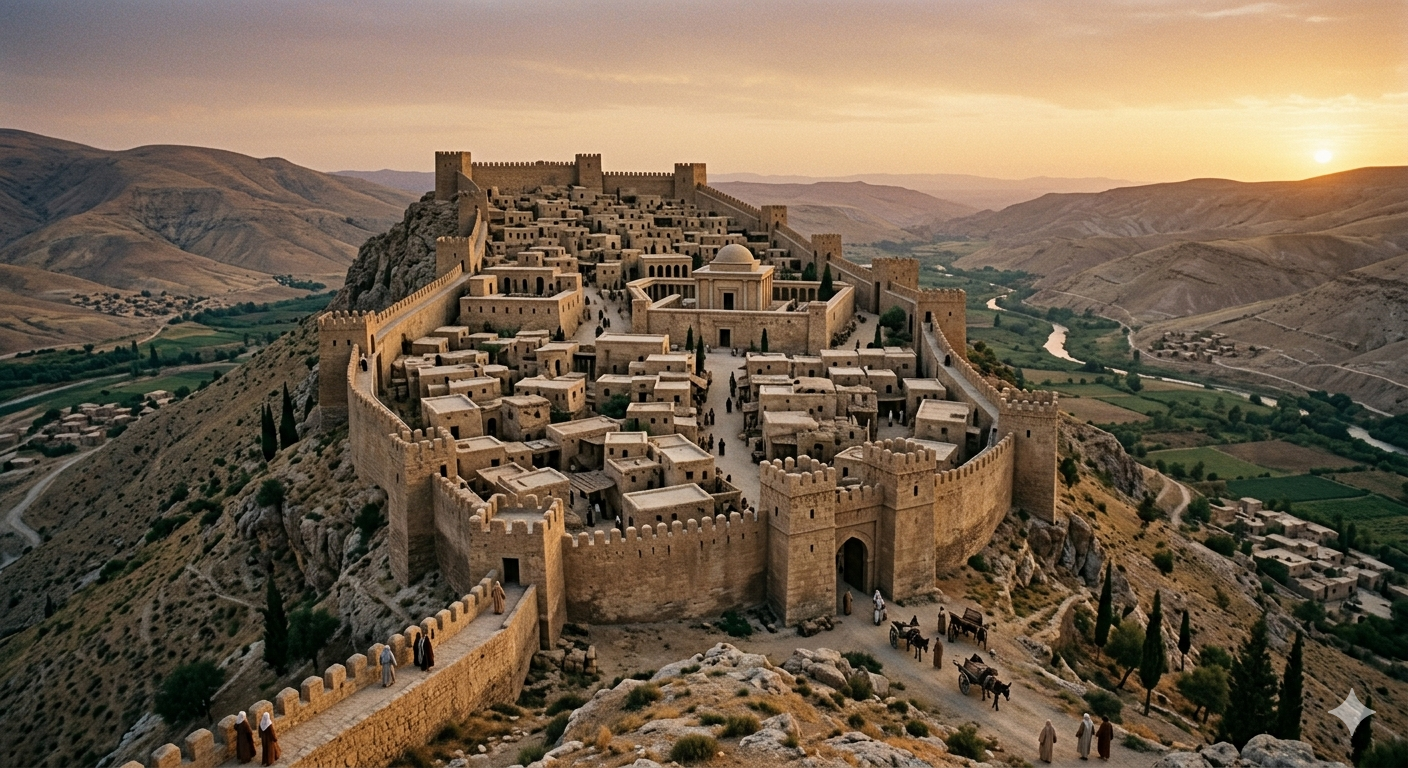
Esau was red and hairy when he was born (Genesis 25:25). The name Edom means “red” or “ruddy”, so it may have been his nickname. In any case, it was the name of the nation of people who were descended from Esau. The kingdom of Edom was located south of the Dead Sea. The Edomites lived in a well-fortified location in the mountains. Thus, they became arrogant and believed that they could not be conquered. King David did bring them into subjection, but they later won back their independence (2 Kings 8:20). The Edomites followed their ancestor Esau’s example and had a history of hostility towards the people of Israel. Sometimes, that was passive aggression like forbidding passage through their kingdom (Numbers 20:18). At other times, they actively joined forces that were attempting to invade Israel (2 Chronicles 20:2). Even though the Edomites were closely related to the Jews by blood, even though they came from the lineage that had served Yahweh loyally, even though they had been given their land by the God of heaven, they were consistently hostile to God and His people.
Theme:
The theme of Obadiah is that Edom had finally reached the end of their probation. They were going to be punished for their acts against Israel. When the Jews were under attack, the Edomites not only cheered, they actively returned refugees fleeing from war to their enemies. The book of Ezekiel expands on Obadiah’s reasons for why Edom was under judgement. They had perpetual enmity towards Israel, and maybe more importantly, they presumptuously attempted to take the inheritance that God had given to Israel (Ezekiel 35:10). The final straw seems to have been when they tried to take advantage of God’s punishment of Judah to enrich themselves. As a result God predicted that they would be totally destroyed as a nation. Judah would return and rebuild, but Edom would not. In the end, Obadiah contrasts God’s holy mountain Zion with Mount Seir, the mountain of human pride.
Organization:
Section 1: Edom will fall (verses 1-16)
1-2 God calls the other nations to attack Edom.
3-4 Edom’s pride is condemned.
5-9 Edom will be destroyed
10-14 Accusations about their enmity towards Israel
15-16 The final punishment of Edom (the Day of the Lord)
Section 2: Mount Zion will be restored and the Lord will rule.
Conclusion:
When the returned exiles of Judah accused God of not loving them in the book of Malachi, His response was that He had brought them back from exile and re-established them as a nation while He had not done the same service for Esau’s descendants. The scriptures paint a picture of the Jews before the Babylonian exile as being worse than any of the surrounding nations, but because of their repentance, they were restored to their position as God’s representatives. Edom never repented. What lesson should we take away from this short little book? We are not God’s people because we belong to the family of people who belong to God. We are God’s people when we are loyal to God. Just as Edom’s presumptuousness earned them annihilation. We too can reject God so much that we lose our place in the family of God. However, if we repent, we can count on God to restore us to favor.