Introduction:
The book of Jeremiah opens the heart of God to us. When God’s chosen people have finally descended into the darkest depths of degradation, God must act. Jeremiah reveals to us how God is tormented by the evil of His people and by the actions that He must take to remedy that evil. God feels anguish (4:19), grief, and sickness of heart (8:6). He wants to weep day and night for the evil that His people are committing. He wishes that He could hide out in the desert away from His own people (9:1-2). Jeremiah also paints a picture of a God who knows us intimately from the womb (1:5). He pays attention and listens (8:6)(16:17). He is a God who searches the hearts and deals justly based on each person’s choices (17:10). When people repent, God delights in restoring them and giving mercy (7:5-7) (32:41), but He will punish the wicked (18:7-10). He is a God of second chances, but when the people never repent, He becomes weary of holding back the results of their own choices (15:6). However, He still yearns for them and misses them when they are gone (31:20). God loves with an everlasting love and faithfulness to His promises and His people (31:3). He is a God who keeps covenant (31:31-34). He is our Creator who wants us to ask for blessings from Him so that He can shower us with goodness and wisdom (33:2-3). The book of Jeremiah lets us look behind the scenes of God’s wrath to the pain God feels when He must bring judgment on His people and His joy at giving mercy at the slightest sign of repentance.
Author:
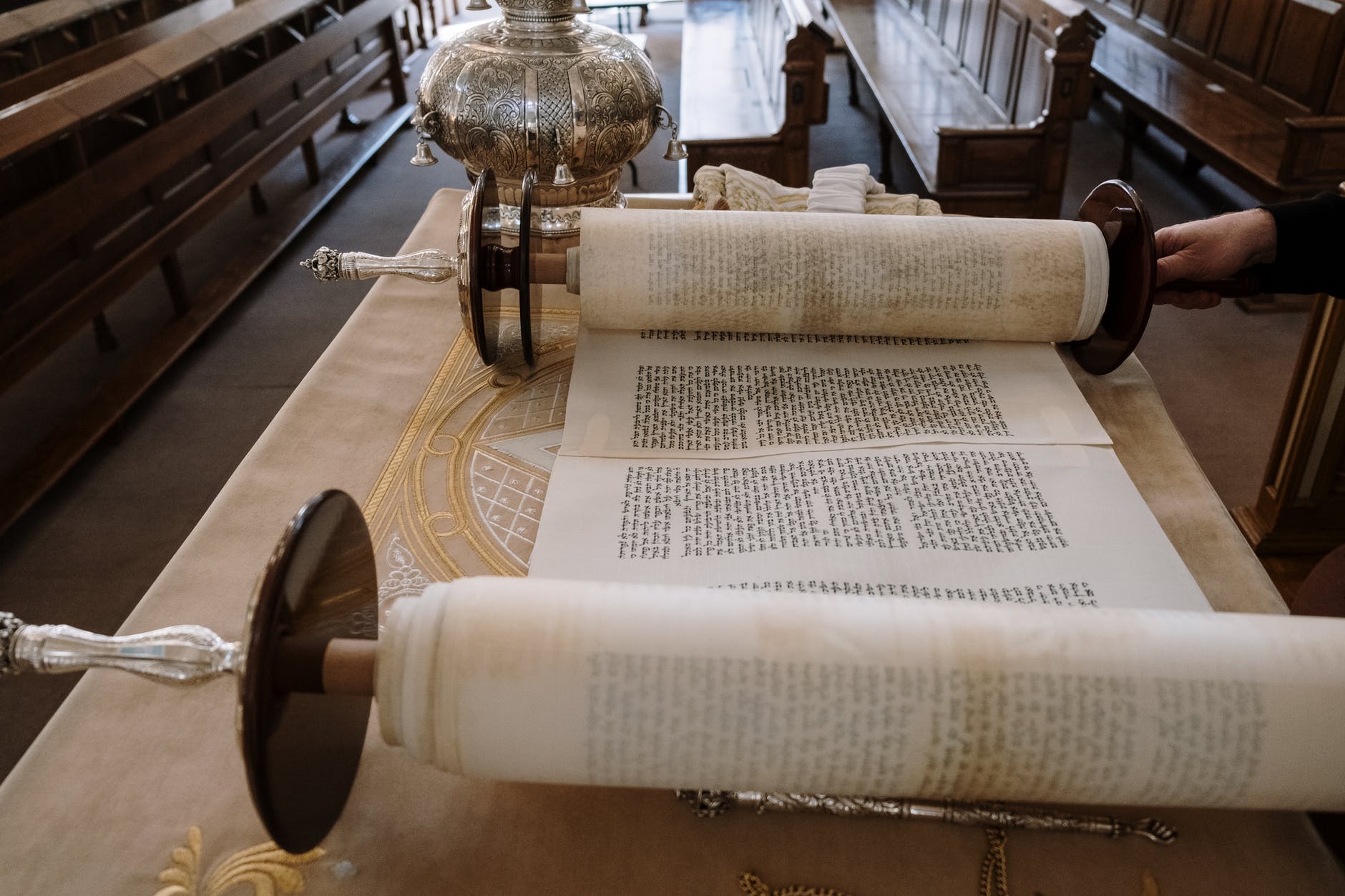
The author is a priest named Jeremiah. “The words of Jeremiah, the son of Hilkiah, one of the priests who were in Anathoth in the land of Benjamin” (Jeremiah 1:1). At least some, if not most of the book, was written down by Jeremiah’s faithful secretary, Baruch. For many years, Jeremiah had been delivering God’s messages orally to the people, but chapter 36 explains that the time came when God commanded that the messages be written down. Jeremiah had been forbidden to appear in the temple where he could speak to the people who came to worship, so instead Baruch wrote down the message and read Jeremiah’s words out loud in the temple. This led to a private reading with the king’s officials. They took the scroll and read it to the king after first warning Baruch that he and Jeremiah needed to go into hiding. An official named Jehudi would read three or four columns out loud to the king. Then the king would stop him, cut off that portion of the scroll and throw it in the fire before having Jehudi read on. Thus, the king thought that he had destroyed the message from God delivered by Jeremiah. However, Jeremiah and Baruch made a second copy and added even more words to it. The last chapter of the book of Jeremiah was written by some unknown author, who makes it clear that the rest of the book was authored by Jeremiah. “. . . Thus far are the words of Jeremiah” (Jeremiah 51:64). In other words, the book of Jeremiah could be said to have three authors: the main author Jeremiah, his secretary Baruch, and an unknown person who wrote a brief historical summary of the fall of Jerusalem, the death of King Zedekiah, and the eventual freedom of King Jehoiachin. (Jehoiachin had been taken captive many years before and Zedekiah had been placed on the throne in his stead by King Nebuchadnezzar.)
Background Information:
The northern kingdom of Israel’s probation had already closed, and the people had been captured and dispersed throughout the Assyrian empire. However, that warning did not stop the southern kingdom of Judah from descending deeper and deeper into idol worship, murder, theft, and oppression of the poor and weak. Amazingly, these same depraved people believed that they were safe because they had continued to offer sacrifices to God at the temple in Jerusalem. God disagreed. “Will you steal, murder, commit adultery, swear falsely, make offerings to Baal, and go after other gods that you have not known, and then come and stand before me in this house, which is called by my name, and say, ‘We are delivered!’—only to go on doing all these abominations?” (Jeremiah 7:9-10). God had called them to repentance for years without success, so He finally used His option of last resort—Babylon. King Nebuchadnezzar conquered Jerusalem three times. The first time, he carried off members of the upper class and even members of the royal family. The second time, he took the merchants, priests, and other middle class people into captivity in Babylon. In the final conquest, he totally destroyed the temple and city. During all this conflict, God left His prophet Jeremiah in Jerusalem to call the remaining people to repentance. There was some hope that as the kingdom of Judah was defeated stage by stage, the people would return to God so that He could protect them again. The last siege and destruction of Jerusalem might never have happened if they had repented. Jeremiah advised them that God wanted them to cooperate with Babylon and endure their punishment from God peacefully (27:11). The people of Jerusalem refused and suffered the consequences. Jeremiah also sent a letter to the exiles living in Babylon to live in peace there rather than attempt revolt. He promised them that after 70 years, God would bring them back home to Judah (chapter 29). They obeyed, and God kept His promise, but Jeremiah was long gone by that time. He had been kidnapped by his own people when they fled to Egypt after the governor appointed by Babylon was murdered (43:6-7). He lived out his remaining years there in Egypt. We are not told when he died.
Organization:
1:1-19 Jeremiah is given his commission to prophesy to Judah
2:1-6:30 Jeremiah repeatedly warns Judah and Jerusalem that their sins will bring about the conquest of Judah. Their sins are recounted, and there is a call for repentance.
7:1-10:25 Jeremiah stands at the gate of the temple and delivers a message denouncing the pollution of the temple. He warns that the people’s treachery and deceit will result in the exile of Judah’s inhabitants. Chapter 10 ends with Jeremiah pleading with God to not totally destroy him and his people.
11:1-12:17 Jeremiah reminds Judah of the covenant that they have broken. Various kinds of betrayal against Jeremiah and God are described from false prophets to family turncoats. Jeremiah and God discuss the present condition and future of Judah.
13:1-27 God has Jeremiah use the symbols of a ruined loincloth and jars of wine to give His message to Judah. Jeremiah is commanded to present a message directly to the king and his mother.
14:1-16:9 Jeremiah’s personal life is affected by his position as a prophet. There is a drought that Jeremiah is instructed not to pray about. Jeremiah must contend with false prophesies. Jeremiah is discouraged and God answers him. Jeremiah is instructed not to marry and not to participate with the festivities of the people of Judah.
16:10-17:27 God gives a promise of eventual restoration, but reinforces the prophesy that punishment must be endured first. The people are told to keep the Sabbath holy.
18:1-20:18 Jeremiah receives a message from God at a potter’s house where He describes the disaster that He is shaping for Judah. Jeremiah uses a potter’s flask to illustrate God’s message to some of the elders of Jerusalem at the Potsherd Gate that leads to the Valley of Hinnom. Then he goes to the temple to speak the same message to the people. Jeremiah is punished for his message to the elders and people.
21:1-23:40 The royal house receives judgments against them. A promise of restoration is given. False prophets are denounced.
24:1-25:38 After the craftsmen and King Jehoiachin (Jaconiah) are taken to Babylon, Jeremiah has a vision of baskets of good and bad figs. The vision reveals that the exiles are righteous while those who are left in Jerusalem cannot be saved. A specific time of 70 years is given for the exile. God’s wrath will extend beyond Judah to other nations.
26:1-29:32 Jeremiah comes into conflict with false prophets. He advises the people of Judah to cooperate with their captors.
30:1-33:26 God begins to give hope for the future restoration of Israel.
34:1-35:19 King Zedekiah is informed that Jerusalem will fall and he will be captured. Later, Jeremiah denounces the treachery of the leaders of Judah because they had first freed their slaves following God’s command but then had re-enslaved them.
36:1-45:5 This is a narrative section that describes the process of writing down and delivering Jeremiah’s prophecies, his imprisonment, and a secret interview with King Zedekiah. The capture of Jerusalem is described including Jeremiah’s release from imprisonment. After a governor is set up by Babylon, he is assassinated, and the remaining Jews force Jeremiah to flee with them to Egypt.
46:1-51:64 This is a collection of prophecies against foreign nations, including Egypt, Philistia, Moab, Ammon, Edom, Damascus, Kedar/Hazor, Elam, and Babylon.
52:1-34 This section was added on to the book of Jeremiah by a later author. It describes the final destruction of Jerusalem, the number of captives, and the fact that a former king of Judah was released and treated with honor by the Babylonians.
Conclusion:
Jeremiah was called to be the messenger of God in one of the most trying situations imaginable. He began testifying against the leaders of Jerusalem when he was still a youth and never faltered during the long years that followed. He was forced to hide at times from his own king while his enemies held him in respect. Jewish officials had him lowered into a mud-filled cistern until an Ethiopian servant pled for Jeremiah’s life and was able to rescue him. King Nebuchadnezzar himself ordered that his captain keep Jeremiah from harm during the capture of Jerusalem. In Jeremiah’s upside down world, the supposed people of God rejected God’s prophet while foreigners treated him with respect. More than five hundred years later, history would repeat itself when God’s people called for the death of their own Messiah while Pilate tried to save Him. The question for us today is whose side are we on. When God sends a message of warning to us, do we curse the messenger or respect him as God’s servant? Do we obey unwelcome orders from God as the exiles in Babylon did, or do we follow our own chosen course as the leaders of Jerusalem did? Most of all, do we make God laugh in joy or weep in misery?
“They will fight against you, but they shall not prevail against you, for I am with you, declares the LORD, to deliver you.” (Jeremiah 1:19)